
Last updated: 27 May 2026 | 7976 Views |

Franz Kafka: The Architect of Modern Existential Dread
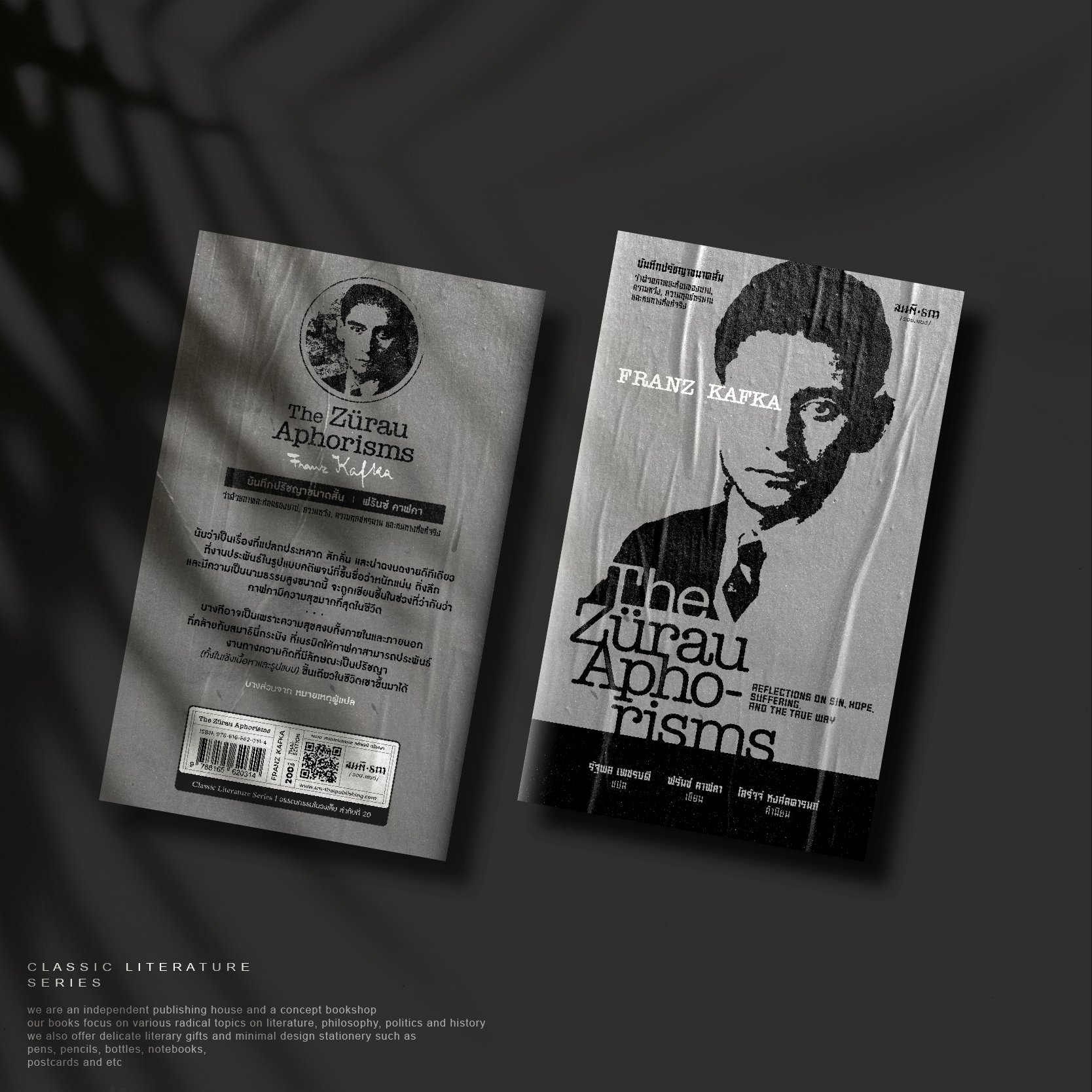
The Author of The Zürau Aphorisms
Franz Kafka remains one of the most seismic and resonant figures in the landscape of world literature. His oeuvre is defined by a haunting infusion of oneiric nightmares, psychological laceration, and the pervasive shadow of bureaucratic persecution, posing profound existential questions that remain intentionally unresolved.
Kafka’s protagonists are typically marked by a profound sense of isolation, social alienation, and an innate, inherited guilt. While his narratives often portray the individual as a victim of systemic or metaphysical cruelty, his work possesses a depth that defies superficial interpretation. Beneath the surface of his bleakest imagery lies a subtle, sardonic wit—a reflection of the universal human struggle rather than a mere mirror of personal despair.
In light of his radical departure from literary norms, Gabriel García Márquez observed that Kafka’s work unveiled the boundless possibility of creating a literature that is entirely 'other,' breaking the conventional chains of storytelling to explore the surreal depths of the human condition.
Critical Acclamation
The literary titan Vladimir Nabokov lauded Kafka as one of the most influential writers of the 20th century. Similarly, Albert Camus and W.H. Auden famously canonized him as the 'Dante of the 20th Century.' Contemporary novelist Jonathan Franzen notes that Kafka dedicated his life’s blood to chronicling the frictions of the private sphere—family, romance, ethical law, and his Jewish heritage—all of which permeate the atmospheric tension of his writing.
A Life Defined by the 'Kafkaesque'
Born into a German-speaking Jewish family in Prague, Kafka’s life was steeped in both intellectual richness and tragedy. As the eldest of six, he witnessed the early passing of two brothers, while his three sisters later perished in concentration camps during the Holocaust.
Kafka himself battled tuberculosis for fifteen years, a physical affliction compounded by a litany of psychosomatic burdens: depression, social anxiety, chronic migraines, and debilitating insomnia. He succumbed to his illness on June 3, 1924.
In a final act of self-effacement, Kafka instructed his close friend, Max Brod, to incinerate his unpublished manuscripts. It is only through Brod’s fateful decision to defy these wishes that the world received Kafka’s most seminal works, including his diaries, letters, and the profound The Zürau Aphorisms.
Selected Bibliography
The Metamorphosis (1915)
The Trial (1925)
The Castle (1926)
Dearest Father: Stories and Other Writings (1954)
The Diaries of Franz Kafka, 1910–1923 (1988)
Order The Zürau Aphorisms (Thai Edition) HERE

5 Apr 2022

3 Apr 2022

16 Sep 2022

11 Feb 2022