
Last updated: 27 May 2026 | 10040 Views |

Chanya Amnatphanphong (จรรยา อำนาจพันธุ์พงศ์)
A relentless and profound voice in contemporary Thai literature whose evocative prose and philosophical poetry seamlessly dismantle the ordinary to examine the intricacies of human existence, memory, and reasoning.
The ultimate testament to a writer or a poet is the enduring act of writing—to write, to write, and to write. Though it may sound like a well-worn cliché, it remains the most fundamental truth validating the existence of a career writer. Whether writing under the name Chanya Amnatphanphong (จรรยา อำนาจพันธุ์พงศ์) or his pseudonym Chan Ramrai (จันทร์ รำไร), and whether crafting short stories, poetry, or his latest endeavors in the essay form, this author consistently demonstrates an unyielding commitment to forging the finest manuscripts.
In the past, despite facing numerous rejections and instances where his collections were denied publication, his sole duty remained steadfast: to write, write, and write until his work achieved publication. Within the literary landscape, Chanya Amnatphanphong (จรรยา อำนาจพันธุ์พงศ์) is by no means a newcomer. However, his debut under Sommadhi Publishing House (สำนักพิมพ์สมมติ) emerged under the pen name Chan Ramrai (จันทร์ รำไร) with a poetry collection titled Nothing Beyond This (อื่นใดนอกจากนั้น) in 2016 (2559).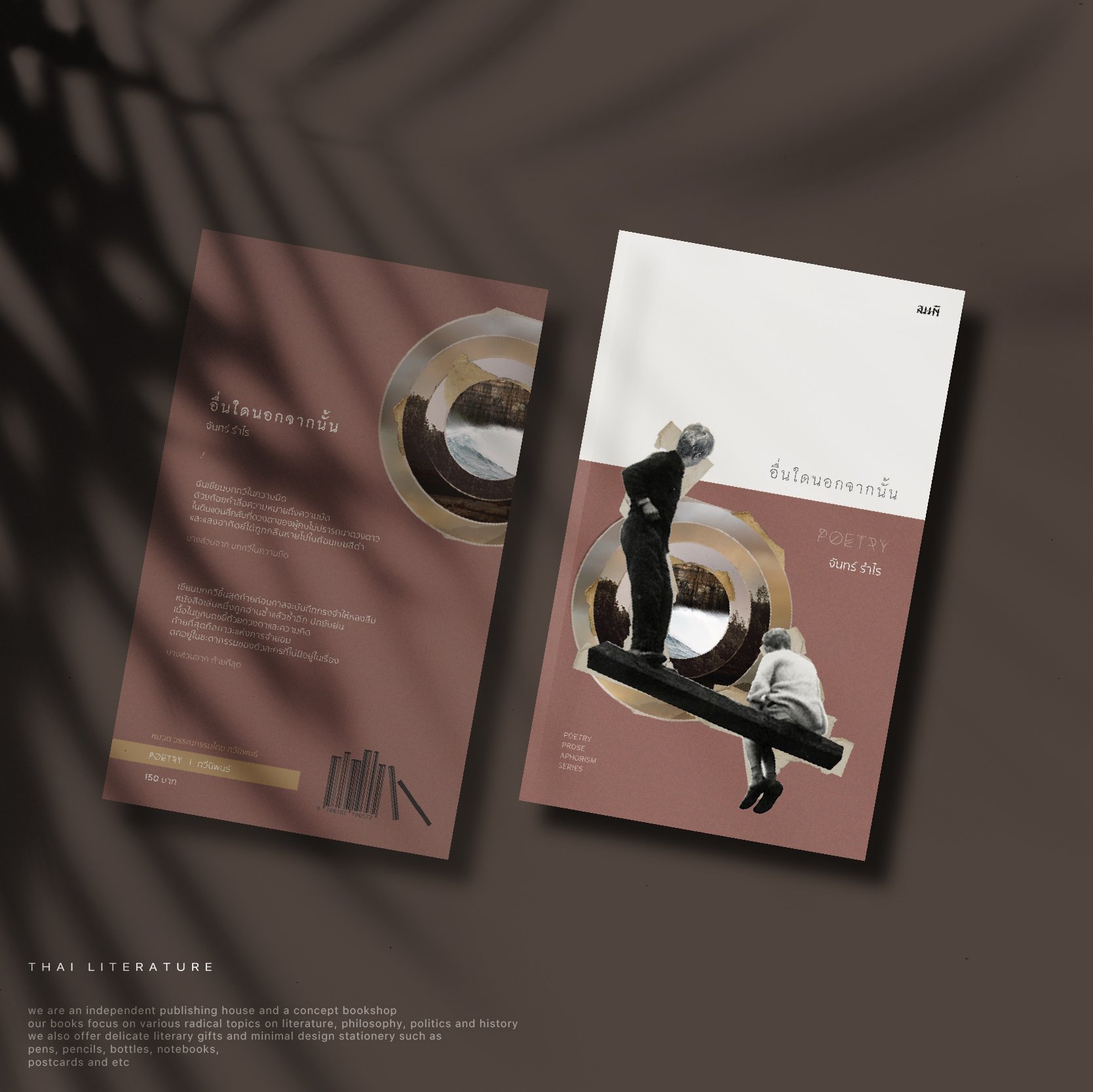
In Nothing Beyond This (อื่นใดนอกจากนั้น), readers encounter delicate verses constructed with robust vocabulary, articulating vivid emotional spectrums. These emotions stem from introspective contemplation, environmental surroundings, internal oppression, or a deep-seated curiosity toward the phenomena of existence. To put it clearly, it is a linguistic aesthetic delivered through the meticulous craftsmanship of a writer who has weathered profound emotional seasons. This poetry consciously distances itself from aggression, even when confronting themes of war and bullet shells.
The following year, 2017 (2560), Chanya (จรรยา) returned under his real name with a new short story collection bearing a lyrically evocative title: In Certain Skies, the Rain Clouds Are Long Gone (ฟ้าบางแห่งร่ำลาเมฆฝนไปเนิ่นนาน).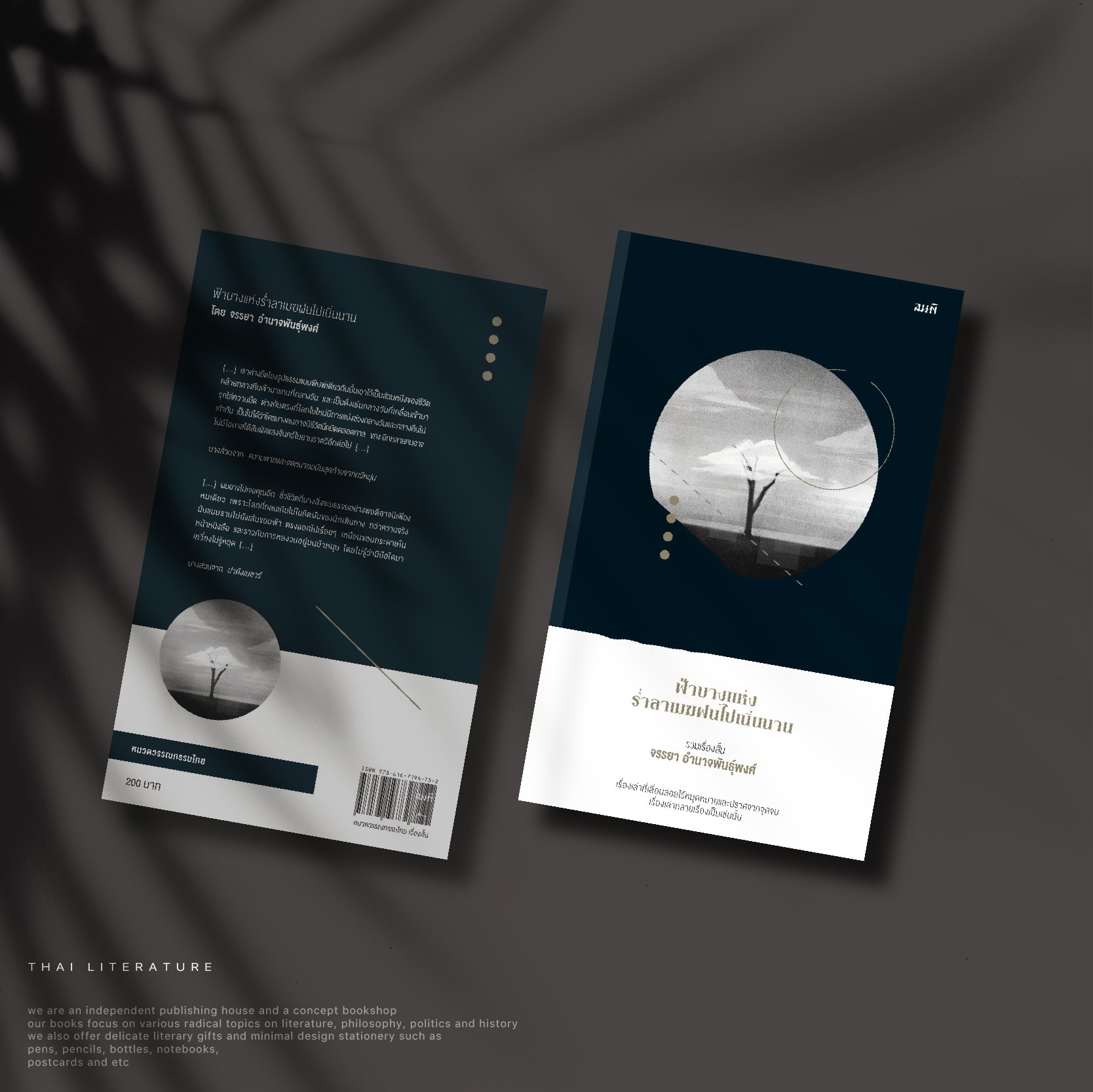
In Certain Skies, the Rain Clouds Are Long Gone (ฟ้าบางแห่งร่ำลาเมฆฝนไปเนิ่นนาน) is a collection enveloped in a solitary atmosphere, utilizing minimal narrative voice. If its characters were real people, they would be characterized as deeply introverted. These are narratives where a smile possesses a peculiar charm found only in the shadows. In essence, Chanya's (จรรยา) storytelling in this volume may appear elusive and complex; any attempt to anticipate the narrative trajectory often ends in subversion. It asserts itself as "a collection of drifting narratives, devoid of anchors and absent of closure." This very quality constitutes the ultimate allure of Chanya’s (จรรยา) oeuvre.
In 2019 (2562), after over three years of rigorous refinement and temporal distillation, Chanya Amnatphanphong (จรรยา อำนาจพันธุ์พงศ์) returned with a milestone achievement in his literary trajectory: The Model of Reason (แบบจำลองของเหตุผล).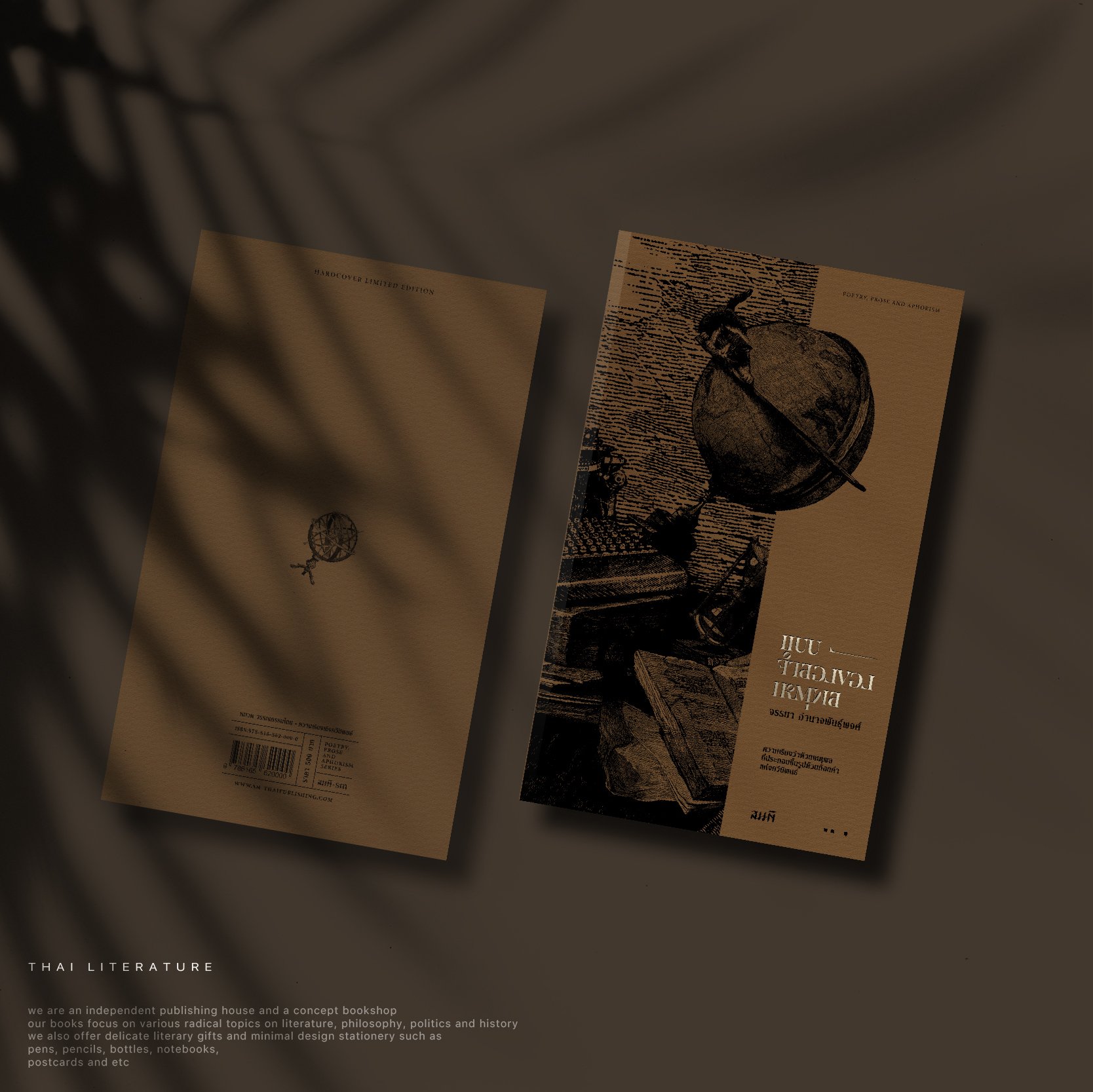
The Model of Reason (แบบจำลองของเหตุผล) compiles 231 intellectual fragments, encapsulating the sentences, phrases, aphorisms, and philosophies of a writer and poet. It is an essay collection concerning human reasoning, sculpted through the purest form of poetic prose. Broadly speaking, The Model of Reason (แบบจำลองของเหตุผล) positions itself with immaculate poise, echoing the stylistic cadences of the 18th-century French essayist Joseph Joubert (โจเซฟ จูแบรต์).
This monumental work demonstrates that Thai essay writing, observational journaling, and poetic perspectives have evolved far beyond the ubiquitous, mundane assortments of "quotes" and "inspirational maxims." Instead, this piece runs parallel to philosophical inquiries regarding the pursuit of personal rationale. It challenges the malicious paradigms that establish dominance over human thought, which people thoughtlessly hijack in the name of logic.
With his unyielding dedication and continuity, it is now the reader's prerogative to champion and sustain this deeply committed young author, enabling him to maintain his literary calling in accordance with his own aspirations. He has proven his conviction through his own words:
"Setting goals, reflecting upon them to move forward, and maintaining my stride until my final breath—I consider this to be of paramount importance to me."
Sommadhi Publishing House (สำนักพิมพ์สมมติ) reaffirms that The Model of Reason (แบบจำลองของเหตุผล) embodies the solemn duty that a poet owes to language and to his readership.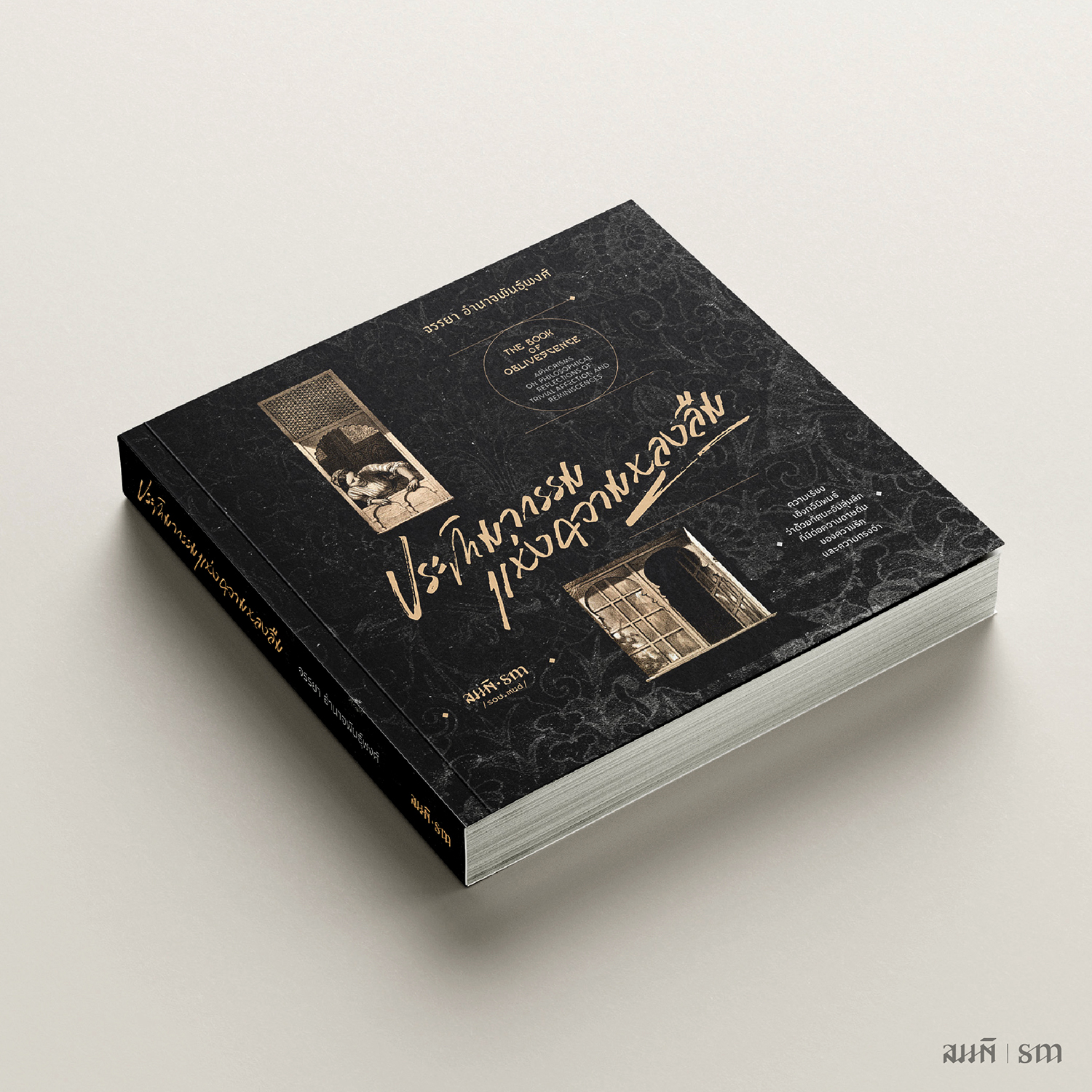
The Book of Oblivescence (ประติมากรรมแห่งความหลงลืม)
Subtitle: Aphorisms on Philosophical Reflections of Trivial Affection and Reminiscences
A poetic essay collection offering profound insights into the ubiquity of love and memory. This book invites readers to explore the definition of forgetting, to fill emotional voids with deep contemplation, and to comprehend the artificial constructs we build ourselves. Readers will immerse themselves in a harmonious alternation of poetry and prose spanning 374 distinct pieces.
The central thematic anchor of this volume is human relationships—predominantly dealing with the theme of love that touches every individual at least once. Whether culminating in fulfillment or heartbreak, we all share a common past. It is a past we might view as a black hole, a trap, or a temporal void otherwise known as 'memory.'
Chanya Amnatphanphong (จรรยา อำนาจพันธุ์พงศ์) invites readers to look back and re-examine those transient moments... chapter by chapter... line by line... allowing you to discover a threshold that is neither a ready-made answer nor a mundane platitude. It is an exit discovered entirely by yourself upon journeying through this very copy of The Book of Oblivescence (ประติมากรรมแห่งความหลงลืม).


3 Apr 2022

26 Sep 2022

11 Feb 2022

16 Sep 2022