
Last updated: 24 May 2026 | 7885 Views |

Chayaarat Chayarat: A defiant voice in contemporary Thai poetry weaving existential vulnerability with sharp social critique.
Chayaarat Chayarat (ชญรัตน์ ชญารัตน์)—a pen name meaning "the cherished jewel of philosophy"—is the literary persona of Prachya Pongpanich (ปรัชญา พงษ์พานิช). Born on January 16, 1980, in the historic province of Phitsanulok (พิษณุโลก), his early life was defined by a profound passion for cinema and music, with reading serving as a secondary pursuit.
The Artistic Evolution: From Form to Freedom
His literary journey began with an intense fascination for classical Thai poetic meters (กลอนฉันทลักษณ์). However, attempting to write within these traditional boundaries left him feeling stifled, as if trapped within an arbitrary framework that hindered his artistic growth.
A pivotal turning point arrived when he discovered the free-verse poetry of Zakariya Amataya (ซะการีย์ยา อมตยา). Initially, he naively assumed that such formless poetry required little effort. Yet, deeper engagement with the craft revealed a profound truth: one must never disparage any literary form, whether free verse or traditional meter. Both demand rigorous mastery.
Through years of relentless dedication and meticulous refinement, he gathered the courage to submit his manuscript to Sommadhi Publishing House (สำนักพิมพ์สมมติ). It was a grueling three-year process of revising, selecting, and crafting new verses while keenly observing the unfolding socio-political shifts in Thai society.
Published Works
His dedication eventually culminated in the publication of two profound poetry collections:
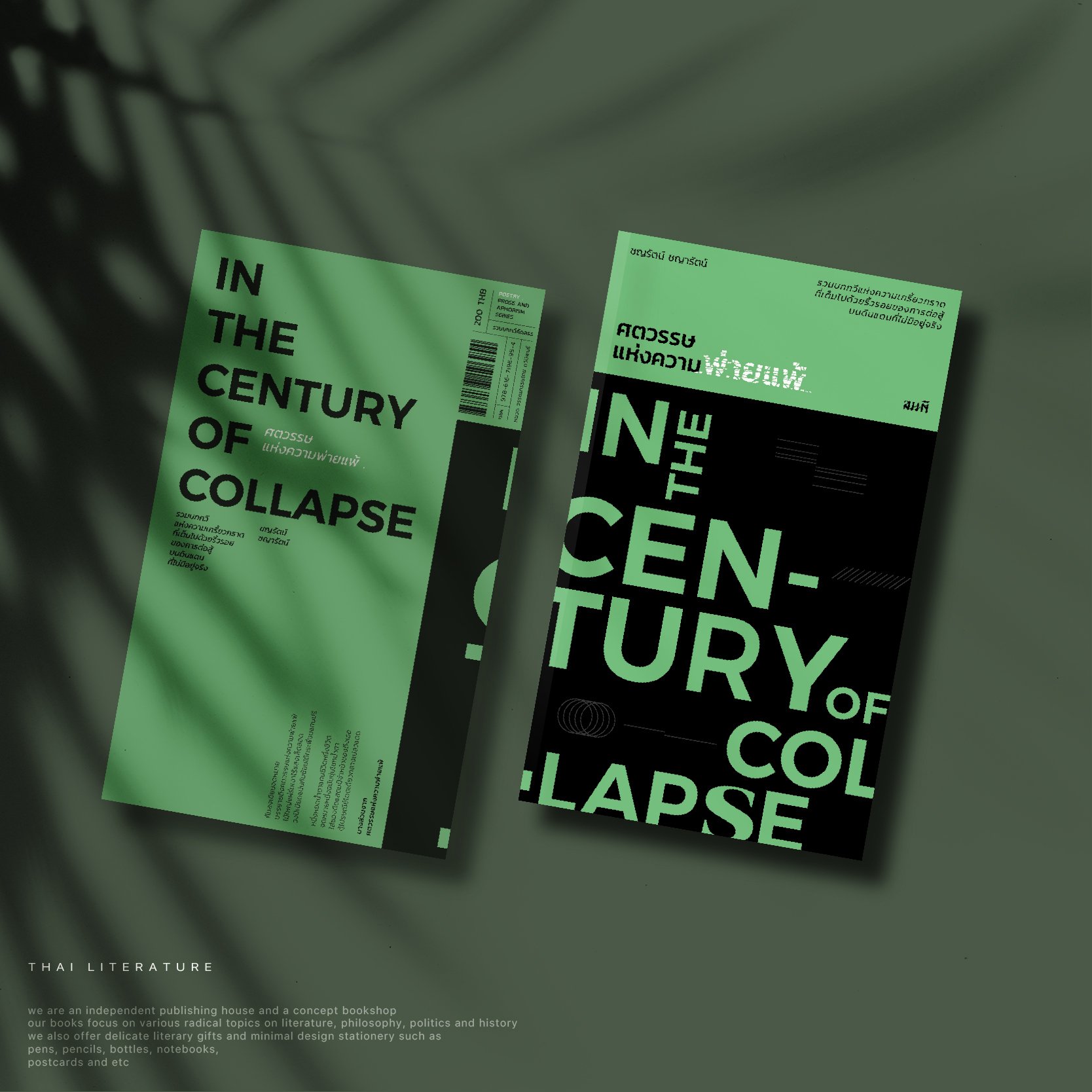
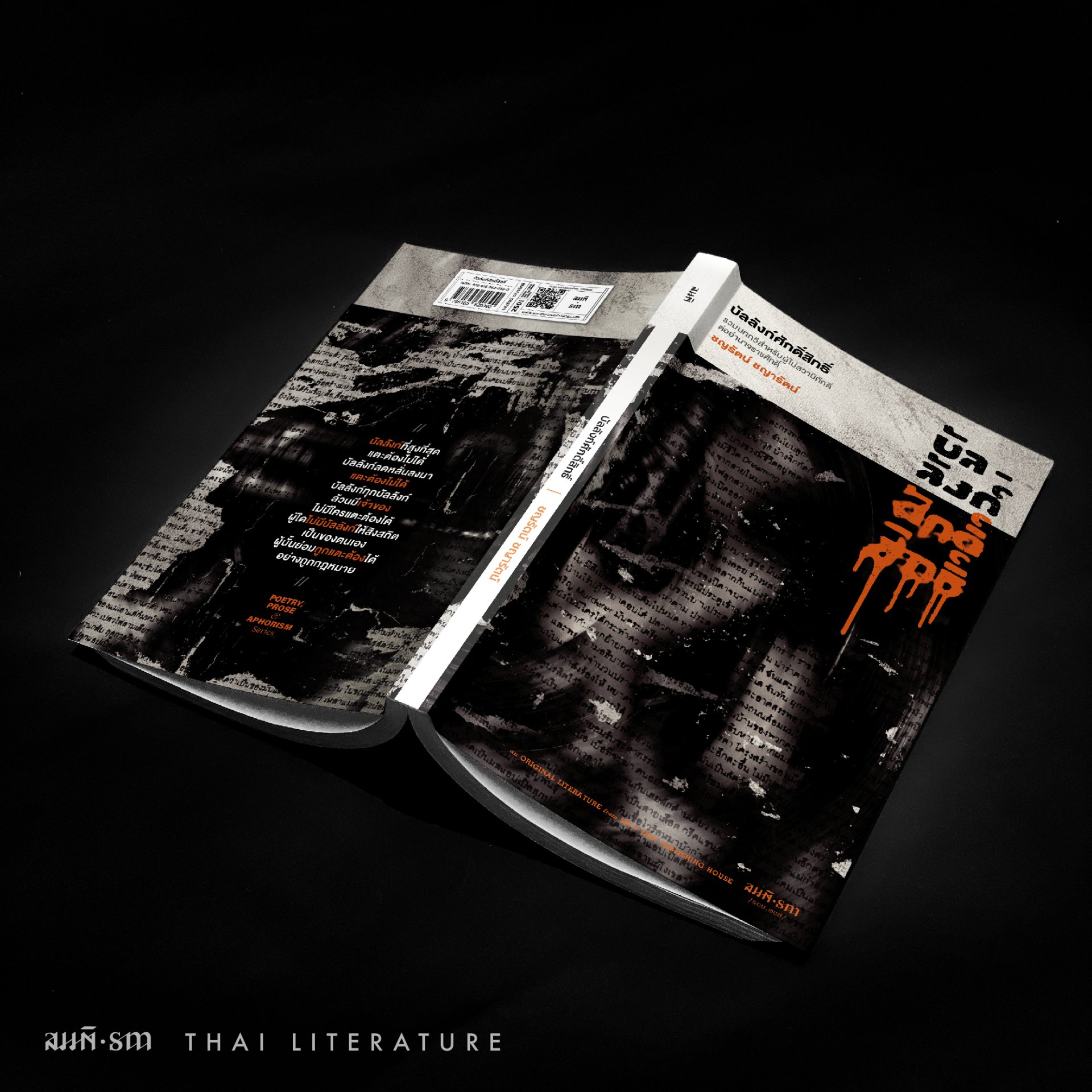
The Triumph of the Spirit
Today, Prachya Pongpanich (ปรัชญา พงษ์พานิช) continues to write poetry while observing the socio-political phenomena of his homeland with a heavy heart. He harbors an absolute disdain for dictatorship and remains deeply sensitive to pervasive social injustices.
Every verse he pens is composed from a wheelchair—a reality he has navigated since childhood due to a physical disability. Yet, this physical limitation serves as a powerful testament to his literary resilience: physical impairment has never diminished his consciousness as a poet, nor has it silenced his evocative, unyielding voice.


3 Apr 2022

16 Sep 2022

26 Sep 2022

11 Feb 2022