
Last updated: 27 May 2026 | 6760 Views |

Siwarat Harnpanich (ศิวรัฐ หาญพานิช)
A compelling contemporary voice in Thai literature, Siwarat Harnpanich seamlessly weaves structural sociopolitical critiques with profound, introspective examinations of the human condition.
More than two hundred kilometers north of Bangkok, Siwarat Harnpanich was born and spent his early childhood. He grew up and studied there—a period that felt fleeting, yet those dozen or so years were enough to imprint a distinct regional accent upon him when he migrated from his provincial boarding school to pursue secondary education in the capital.
Siwarat initially positioned himself on the science track—though he failed chemistry and merely scraped by in mathematics. Fortune, however, favored him with admission to a prestigious university in the Sam Yan (สามย่าน) district, where he read mass communications. Spending the vast majority of his time outside the lecture halls, he navigated his way through to graduation, bringing pride to his parents.
Upon exiting the university gates, Siwarat spent several months unemployed before commencing the opening chapter of his professional life. He resigned, shifted careers, transferred departments, walked away again, and pursued further education—earning another degree in Gender Studies (เพศสถานะศึกษา). Yet, he discovered that none of these paths could steer his life toward ultimate fulfillment.
Midlife now demands a relentless, moment-by-moment struggle forward. Working as a full-time corporate employee confined his existence to the cyclical rotation of a clock—sacrificing nine hours a day at the workplace, coupled with over two hours enduring public transit, only to encounter the grim reality of living hand-to-mouth by the end of each month. Grievously exploited by the apparatus of capitalism, life under the socio-political structure of the Thai state (รัฐไทย) offers no respite for upward mobility. Amidst a backdrop of chronic military coups (รัฐประหาร) and infinitesimally slim odds of winning the lottery, his life remained tethered to that relentless struggle.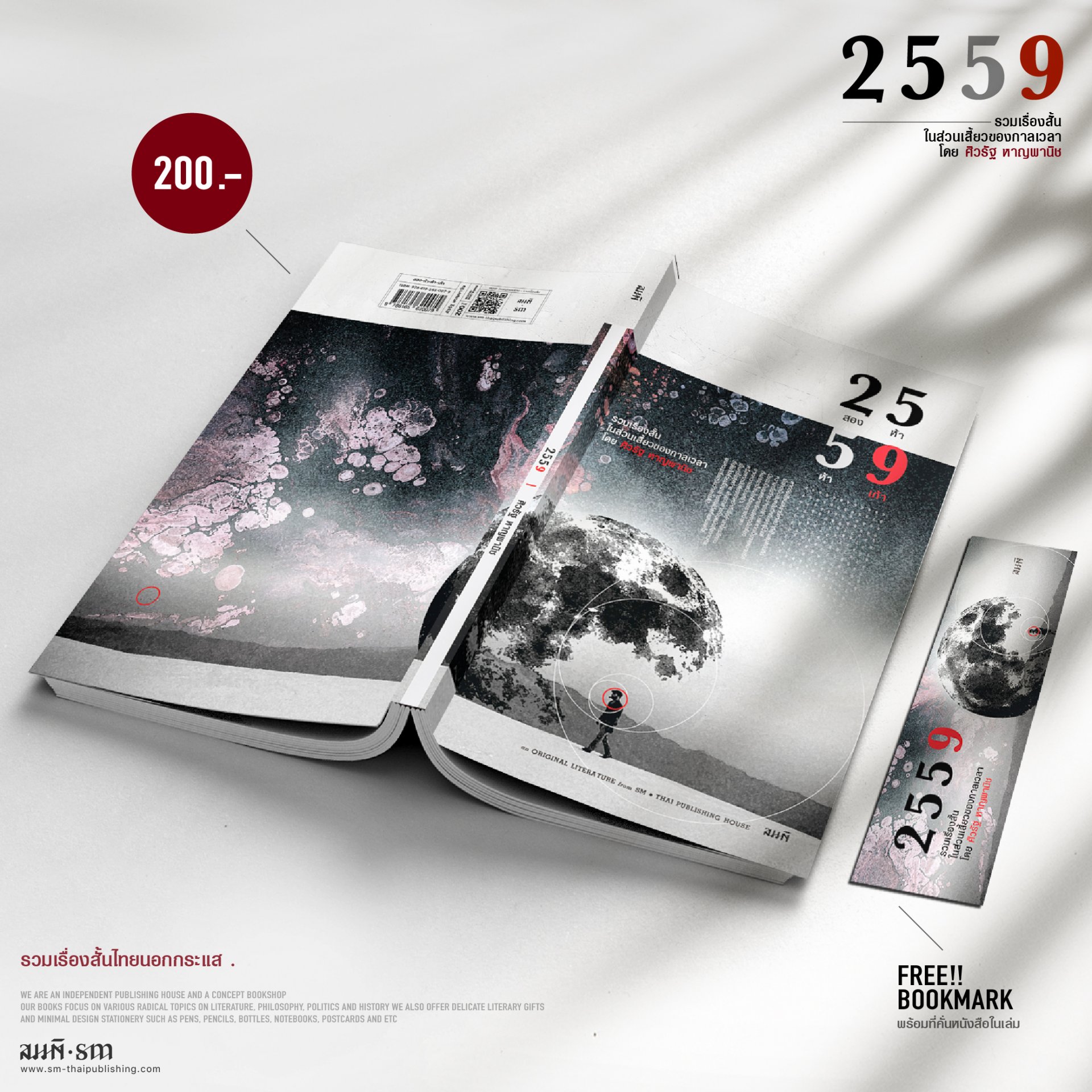
Yet, in a parallel dimension, the fragrant aroma of paper and printing ink continuously drifted through his consciousness. Throughout his formative years, Siwarat immersed himself in his mother's bookshelf—ranging from the satirical cartoon Kai Hua Roh (ขายหัวเราะ), the weekly tabloid TV Pool (ทีวีพูล), and monthly youth magazines, to the romance novels of Kingchat (กิ่งฉัตร) and the collected short stories within public libraries penned by Worapoj Panpong (วรพจน์ พันธุ์พงศ์), Prachakom Lunachai (ประชาคม ลุนาชัย), and Binlah Sonkalagiri (บินหลา สันกาลาคีรี).
Intertwined with this mountain of literature, Siwarat bore witness to the lived realities of unrequited love, heartbreak, the Tom Yum Goong financial crisis (ต้มยำกุ้ง), political party dissolutions (ยุบพรรค), coups d'état (รัฐประหาร), mega-floods (น้ำท่วมใหญ่), songs for life (เพลงเพื่อชีวิต), elections, the obstruction of democracy, airport seizures (ปิดสนามบิน), lottery wins, rice pledging schemes (จำนำข้าว), and the Bangkok Shutdown (shutdown กรุงเทพฯ).
These collective ruptures molded Siwarat, prompting him to write. He wrote to examine himself, to erase his identity, to vent his grievances, to act as a megaphone for the marginalized, to demand justice, to sustain his livelihood, and simply to write for the sake of writing. He held a fragile hope that literature might serve as a gateway to another world—offering encounters with strangers, or at the very least, yielding financial dividends, generating income, and ultimately delivering the new life he so fervently yearned for day after day.
In due course, the act of writing rewarded him with the primordial manuscript of his life. After a prolonged passage of time, that very manuscript culminated in his debut book, entitled 2559: Short Stories from the Fragments of Time (2559 รวมเรื่องสั้นในส่วนเสี้ยวของกาลเวลา).
Therefore, 2559 stands as a monument of remembrance. It is a literary testament to the transitions of age and intellect—a book that distills the lived experiences and encounters of a lifetime. Succinctly put, 2559: Short Stories from the Fragments of Time (2559 รวมเรื่องสั้นในส่วนเสี้ยวของกาลเวลา) may very well encapsulate the entirety of Siwarat Harnpanich's (ศิวรัฐ หาญพานิช) existence.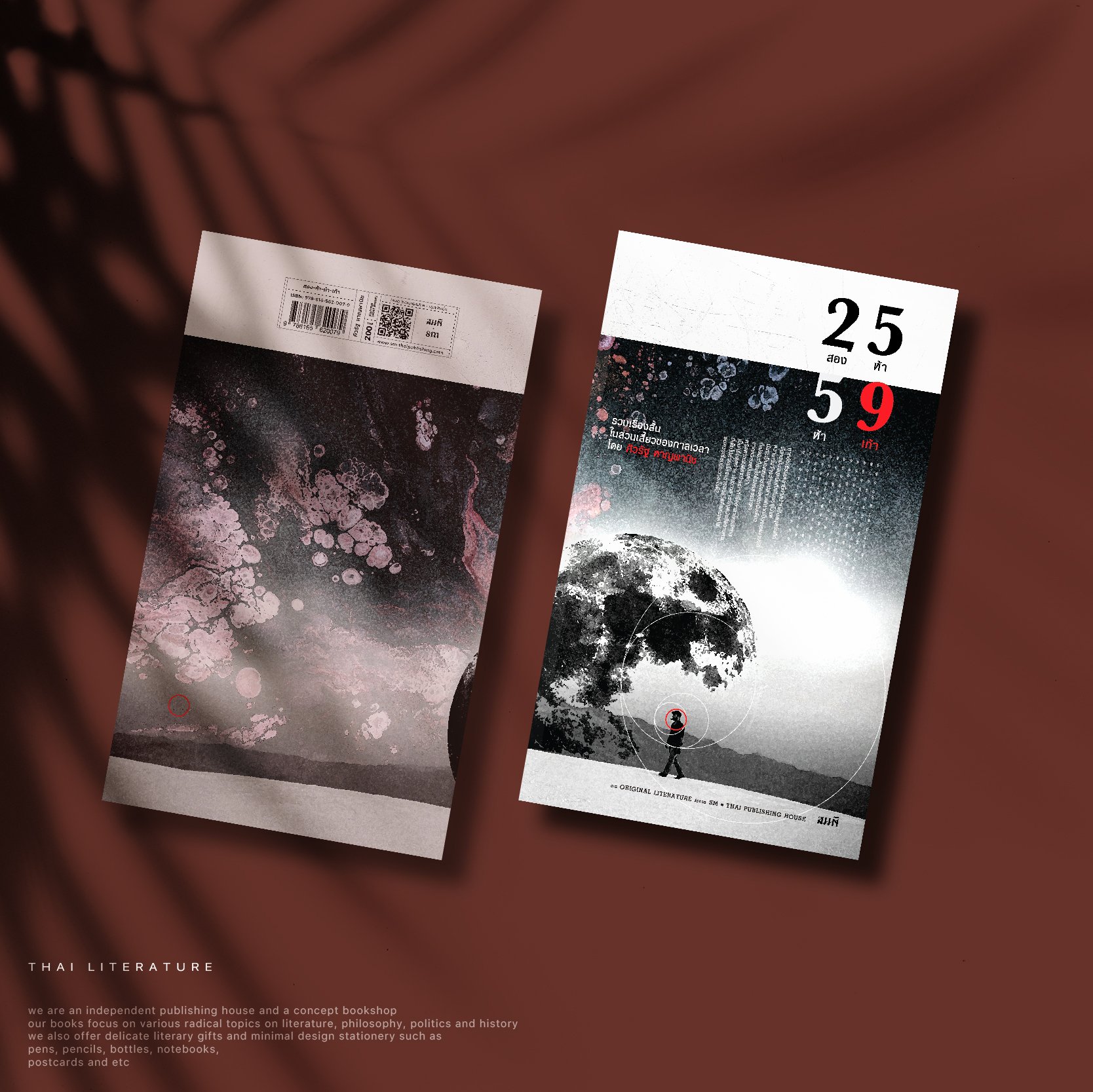
Order 2559: Short Stories from the Fragments of Time


11 Feb 2022

3 Apr 2022

16 Sep 2022

26 Sep 2022