
Last updated: 24 May 2026 | 19233 Views |

Mary Shelley: A brilliant architect of Gothic romanticism and intellectual defiance who, at the tender age of twenty, shattered the boundaries of early modern prose by breathing life into the world’s first true science fiction masterpiece.
Endorsements & Critical Acclaim
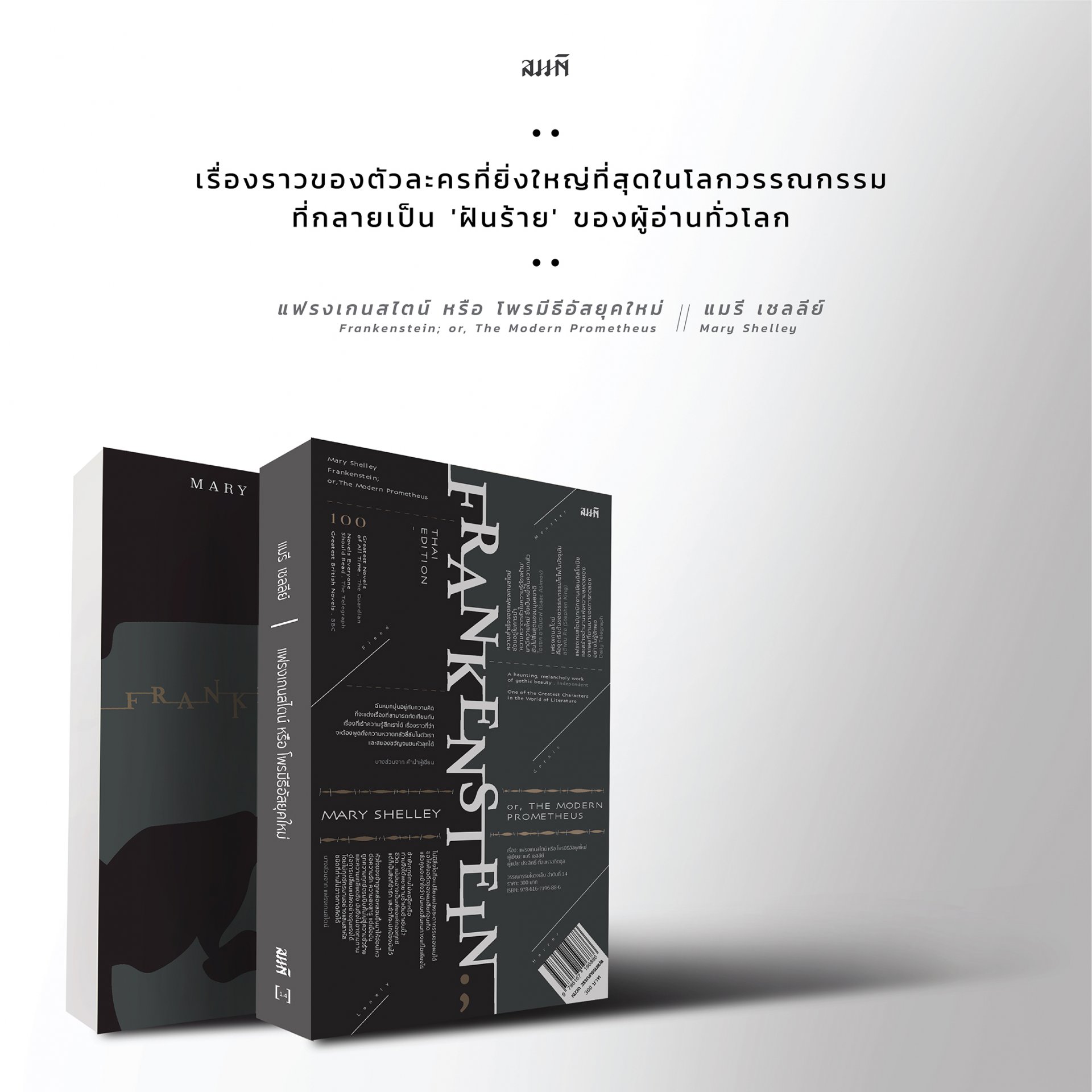
"Frankenstein marked the true genesis of contemporary sci-fi literature."
— Stephen King
"Frankenstein pioneered dystopian literature and forged an enduring myth of horror, born from the catastrophic consequences of unbridled experimentation."
— The Daily Telegraph
"The true triumph of Frankenstein resides in its profound reinterpretation of humanity’s primordial dread—the terrifying allure of forbidden knowledge."
— Isaac Asimov
"A hauntingly beautiful Gothic masterpiece, deeply steeped in profound melancholy."
— The Independent
A Heritage of Intellect and Tragedy
Mary Shelley, the celebrated author of Frankenstein; or, The Modern Prometheus, carved her name into the bedrock of English literary history when she was merely twenty years old.
Born into a formidable intellectual dynasty, she was the daughter of Mary Wollstonecraft, the pioneering feminist philosopher who penned A Vindication of the Rights of Woman (1792), and William Godwin, the radical political theorist heralded as the father of philosophical anarchism.
Yet, Mary’s life was shadowed by profound tragedy before her memory could even take root. Her mother succumbed to a puerperal infection mere days after childbirth. Her father’s subsequent remarriage brought an austere stepmother into the household, plunging Mary into an emotionally starved upbringing. When she eventually discovered romantic passion in the arms of the poet Percy Bysshe Shelley, their relationship manifested as an illicit, socially ostracized liaison that defied the rigid moral conventions of Victorian society.
The Genesis of a Myth
The original manuscript of Frankenstein was conjured from a waking nightmare during a historic summer night at Lord Byron's villa. In this vision, Mary beheld a pale student of unhallowed arts kneeling beside a horrific, reanimated simulacrum of a man. Awakened through speculative scientific methodologies, the composite corpse stirred with uneasy, terrifying vitality.
Horrified by his own transgression against natural law, the creator fled from his creation into an uneasy slumber, only to be jolted awake by the yellowish, watery eyes of the nameless behemoth staring back at him through the bed curtains. Mary spent the next nine months meticulously weaving this dream into a complete manuscript.
The first edition of Frankenstein was published anonymously in London on January 1, 1818. It was not until the revised 1823 French edition that Mary’s authorship was finally unveiled to the world.
A Vanguard of Philosophical Sci-Fi
While traditionally classified as a Gothic novel, Frankenstein towers far above the melodramatic conventions of its contemporary genre. Rather than relying on supernatural tropes purely to induce terror, the narrative utilizes speculative scientific experimentation to ignite a profound philosophical inquiry into the boundaries of existentialism and what it truly means to be human.
In the immediate aftermath of its publication, conservative critics vehemently assaulted the novel, denouncing it as an impious, immoral fantasy that dared to depict a mortal usurping the divine prerogative of creation—a premise that provoked severe backlash from Christian orthodox circles.
Subsequent theatrical and cinematic adaptations frequently flattened the text, reinterpreting it as a one-dimensional horror story warning against technological progress. Consequently, global pop culture came to recognize "Frankenstein" merely as a grotesque, mindless monster.
Yet, beneath the cinematic veneer lies a work of monumental philosophical value. It is an evocative journey that plunges readers into the agonizing ache of a soul starved for mercy, love, and human dignity. It unveils the poignant irony that the creature itself remains completely "nameless"—leaving the burden of monstrosity to be carried by his creator.
An Enduring Global Monolith
To this day, Mary Shelley’s masterpiece remains an unparalleled global phenomenon:
This definitive masterpiece, presented to contemporary readers by the Thai publisher Sommadhi Publishing House, promises to transmute archaic fears and prejudices into an overwhelming tide of empathy and existential sorrow—not only for the tragic creature but for the fractured humanity that surrounds us.
Order Frankenstein; or, The Modern Prometheus
(Thai Edition)


3 Apr 2022

26 Sep 2022

11 Feb 2022

16 Sep 2022